Is your church website design so bad that even Job wouldn’t have the patience to browse it? A strong church website can be the difference between gaining a visitor or losing one, so let’s look at 5 best practices to ensure your website is inviting and well-designed.
1. Clean and Simple Layout
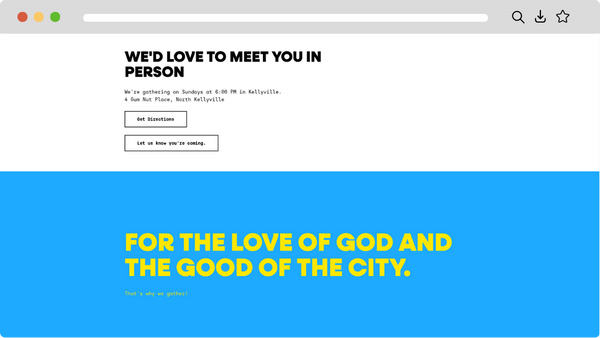
Simplicity in design is key to a welcoming church website. Ample white space and clear content sections prevent visitors from feeling lost or overloaded. Choose a consistent color scheme that aligns with your church’s branding. When your site is tidy, your message is clear and inviting for all who visit.
2. User-Friendly Navigation
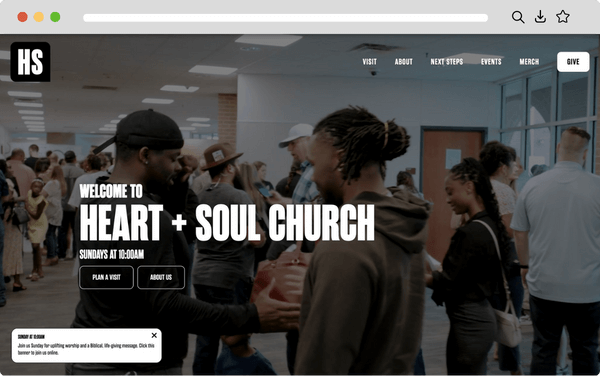
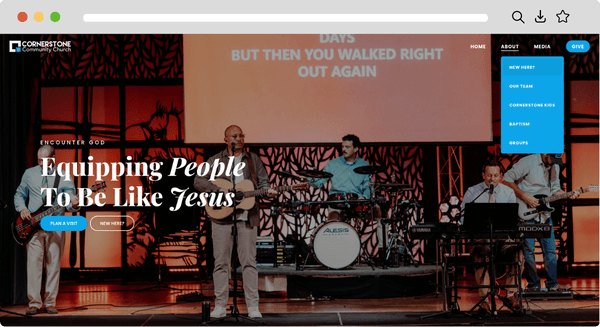
Easy-to-use navigation is the secret to a stress-free website experience. Position your menu at the top of the page where it’s easy to find, and keep your options clear and to the point. Including a search bar can also help users to locate information quickly and easily. When navigation is straightforward, everyone can reach their destination without any issue.
3. Mobile-Friendly Design
With over half of web traffic coming from mobile devices, a mobile-friendly design is essential for reaching your community. Responsive layouts ensure your site looks great and functions smoothly on phones and tablets. Prioritize fast loading times and easy-to-read text for small screens. A mobile-optimized site keeps users engaged and prevents them from clicking away in frustration.

4. High-Quality Imagery
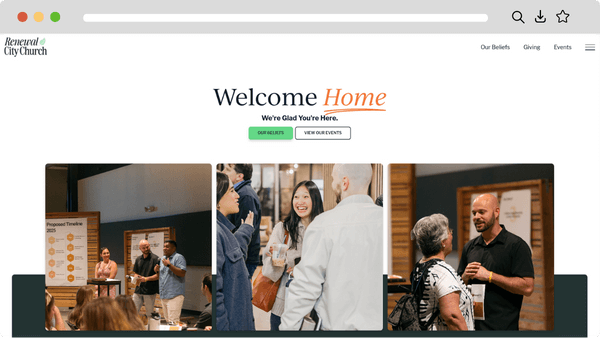
Incorporating real photos of your church can capture the attention of website visitors and provide an authentic glimpse into your church community. These visuals help tell your church’s unique story in a way that words alone cannot and can inspire people to learn more or visit your church.
5. Engaging Content
A well-designed church website not only provides essential information but also inspires visitors to take action. Every page should feature a thoughtfully placed call to action, making it easy for visitors to connect and get involved with your church. By making these opportunities clear and accessible, you help people move from being passive observers to engaged members of your church community.